Week 2 Reflection
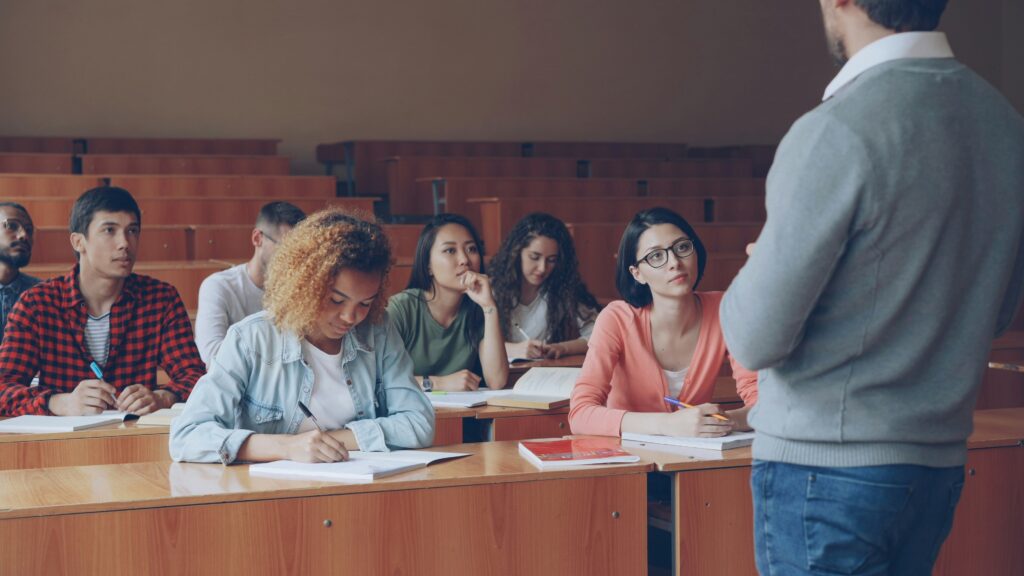
Photo by Vitaly Gariev on Unsplash
Education has stayed the same for a long time, even though students have changed. I think we do need to reimagine it, especially after watching Most Likely To Succeed, which prompted me to think about outdoor education. Learning does not have to stay inside four walls all day. Being outside gives students space to move, breathe, and connect with their bodies and the world around them. PHE is not just about sports, it is about health, balance, and daily habits that support wellbeing. How might school change if learning was built around student needs instead of rigid rules?
One of the biggest problems with changing how we teach is that many decisions are made by people who are not working in schools every day. They may not see what students and teachers actually need. This can make schools slow to change, even when the evidence is clear. There is also a lot of fear around doing things differently, especially when school systems are built on routine. How can schools move forward if the people making the rules are afraid of change?
Research around teen sleep clearly shows why schools need to rethink how they operate. During puberty, teens are biologically wired to fall asleep later, yet many schools still start early in the morning. Research shows adolescents need 8 to 10 hours of sleep per night, yet 77% of high school students were sleep deprived in 2021. When schools start at 8:30 a.m. or later, students get more sleep, show better attendance, earn higher grades, and report improved mental and physical health. Teachers and parents also report feeling less tired and more focused. This shows that when schools listen to research and real student needs, learning improves for everyone.
Privacy is important in our classrooms because it helps create a safe and respectful learning environment where students feel comfortable participating and being themselves. When students know their personal information and opinions are safe, they are more likely to engage openly without fear of embarrassment, judgment, or misuse of their work. Respecting privacy also builds trust between students and teachers, which is essential for meaningful learning. In classrooms that use shared or digital resources, protecting privacy ensures that openness and collaboration do not come at the cost of student well-being, allowing learning spaces to remain inclusive and focused on growth rather than exposure.
Link to article
https://www.apa.org/topics/children/school-start-times
Questions to think about.
How can schools move forward if the people making the rules are afraid of change?
How might school change if learning was built around student needs instead of rigid rules?
References
American Academy of Sleep Medicine. (2021). School start times for adolescents.https://www.apa.org/topics/children/school-start-times